The short answer: you can dive Gili Trawangan all year round. The water is warm in every month and there is no closed season. The dry season, roughly April to October, usually brings the clearest water, calm seas and sunny boat rides. The wet season, November to March, is quieter and greener, with more plankton in the water, occasional tropical downpours and a better chance of meeting bigger visitors such as manta rays.
Below we explain what changes through the year, so you can pick the dates that suit your trip.
Gili Trawangan diving seasons at a glance
| Dry season | Shoulder months | Wet season | |
|---|---|---|---|
| Months | May – September | April and October | November – March |
| Typical visibility | Often 20–30 m | Around 15–25 m | Around 10–20 m, lower after heavy rain |
| Water temperature | About 27–30 °C | About 27–30 °C | About 27–30 °C |
| Sea and weather | Mostly sunny, calm crossings | Mostly dry, fewer people | Short heavy showers, sometimes rough crossings |
| Crowds | Busiest in July and August | Pleasant | Quietest (except Christmas and New Year) |
Visibility changes from day to day with tides, currents and plankton, so treat these numbers as a guide, not a promise.
Dry season (May – September): clear water and calm seas
This is the classic time to dive the Gilis. Rain is rare, the sea is usually flat in the morning, and visibility is often 20 metres or more. It is a great time for underwater photos, for your first open water dives and for drift dives along the walls of Gili Air and Gili Meno.
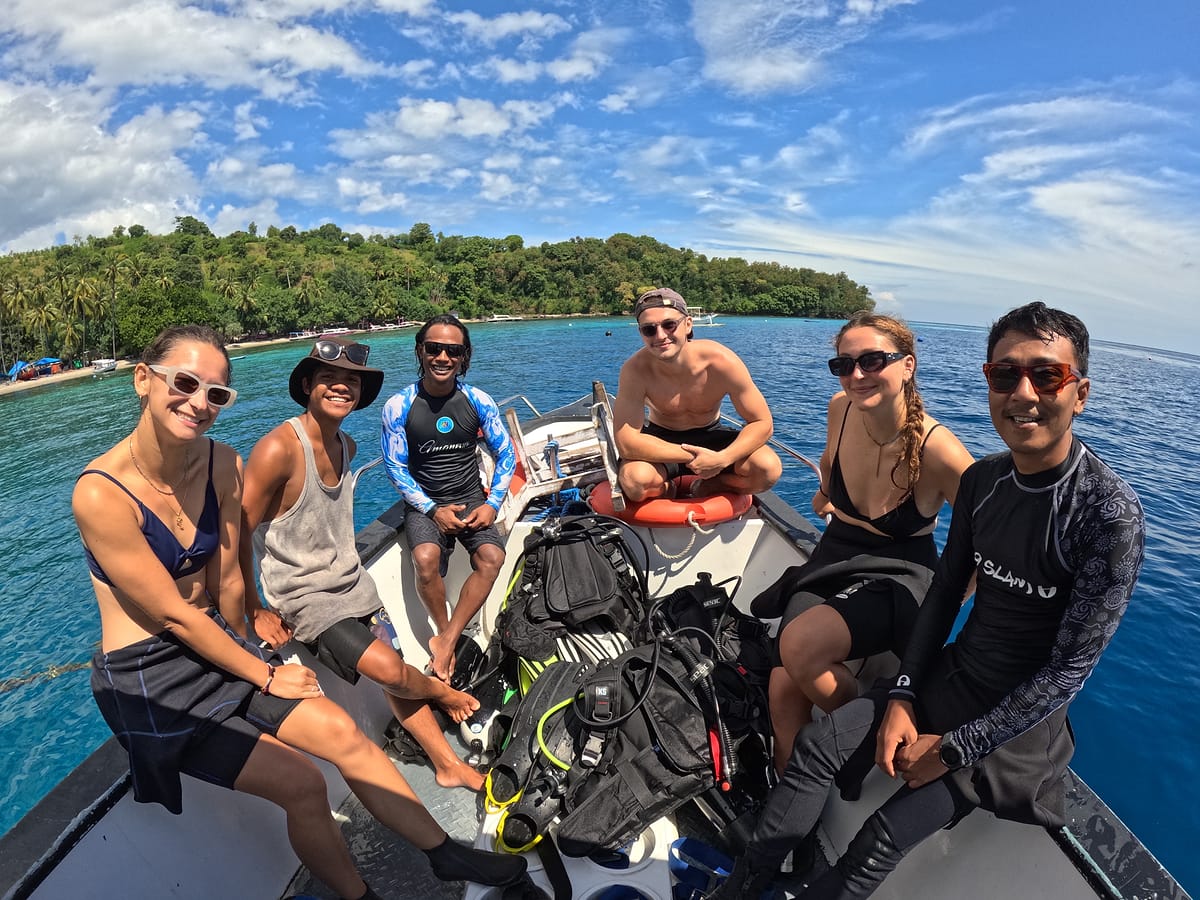
July and August are the busiest months on the island. Dive boats, courses and accommodation fill up, so book a few weeks ahead if you can.
Shoulder months (April and October): our favourite
April and October often give you the best of both worlds: dry weather and good visibility, but fewer people on the boats and on the island. If your dates are flexible, these are excellent months for a dive holiday or a PADI course.
Wet season (November – March): fewer crowds, more life
The wet season does not mean rain all day. Most days bring sunshine with a short, heavy shower, often in the afternoon or at night. After big rain, sites close to shore can be a little cloudier, and visibility is more often in the 10–20 m range.
The upside: the extra plankton feeds the reef, the island is quieter, and this is when divers most often report manta rays around the Gilis. Sightings are never guaranteed, but every season brings its own surprises.
The fast boats between Bali and the Gilis can be bumpier in this season. Keep a spare day in your plans, especially before an international flight.
What about currents?
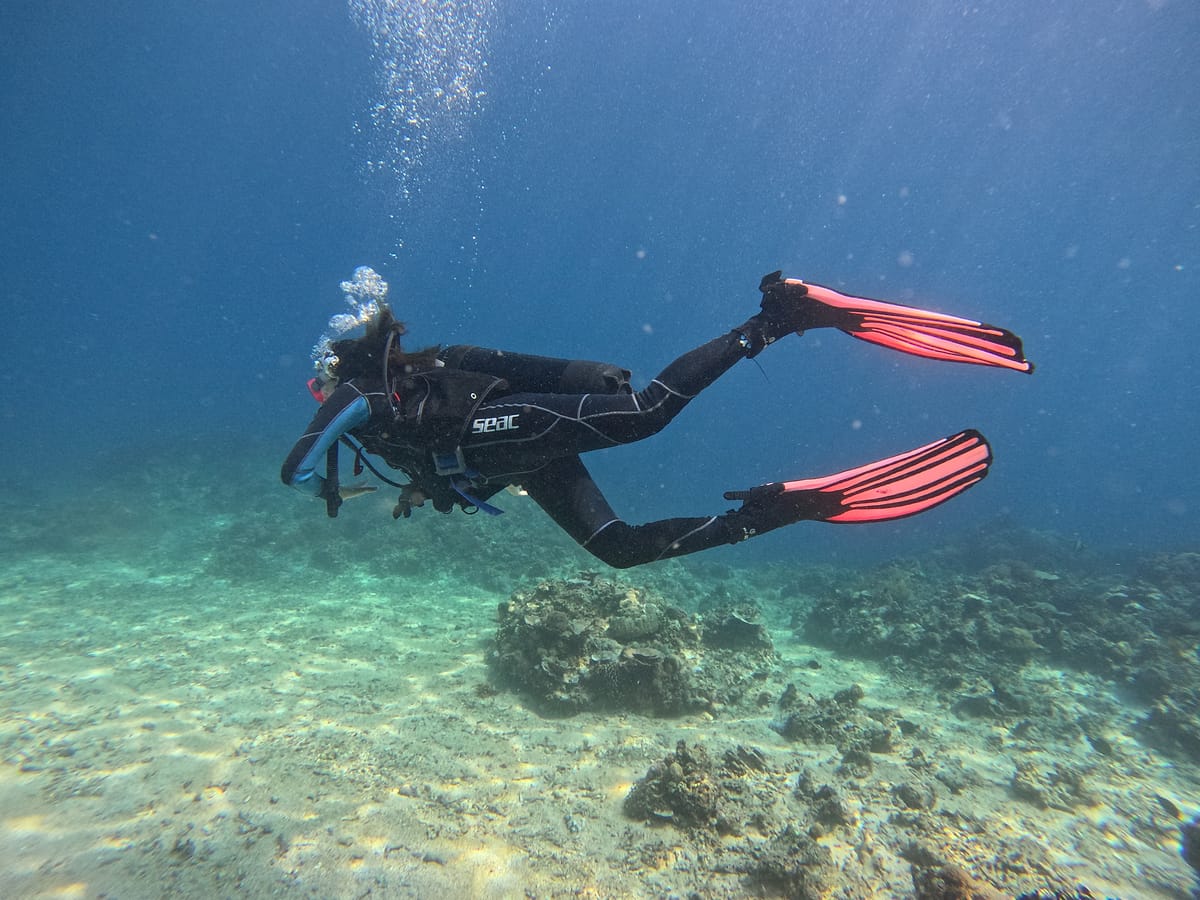
Diving around the Gilis is often a gentle drift, and the current changes daily with the tides. Some sites, such as Deep Turbo and Halik, can have strong currents and suit experienced divers. Others, such as Biorock, Turtle Point and Turtle Heaven, are usually calm and perfect for beginners. Our guides check the conditions every day and choose the sites that match the group, so you do not have to plan around currents yourself.
Can I see turtles all year?
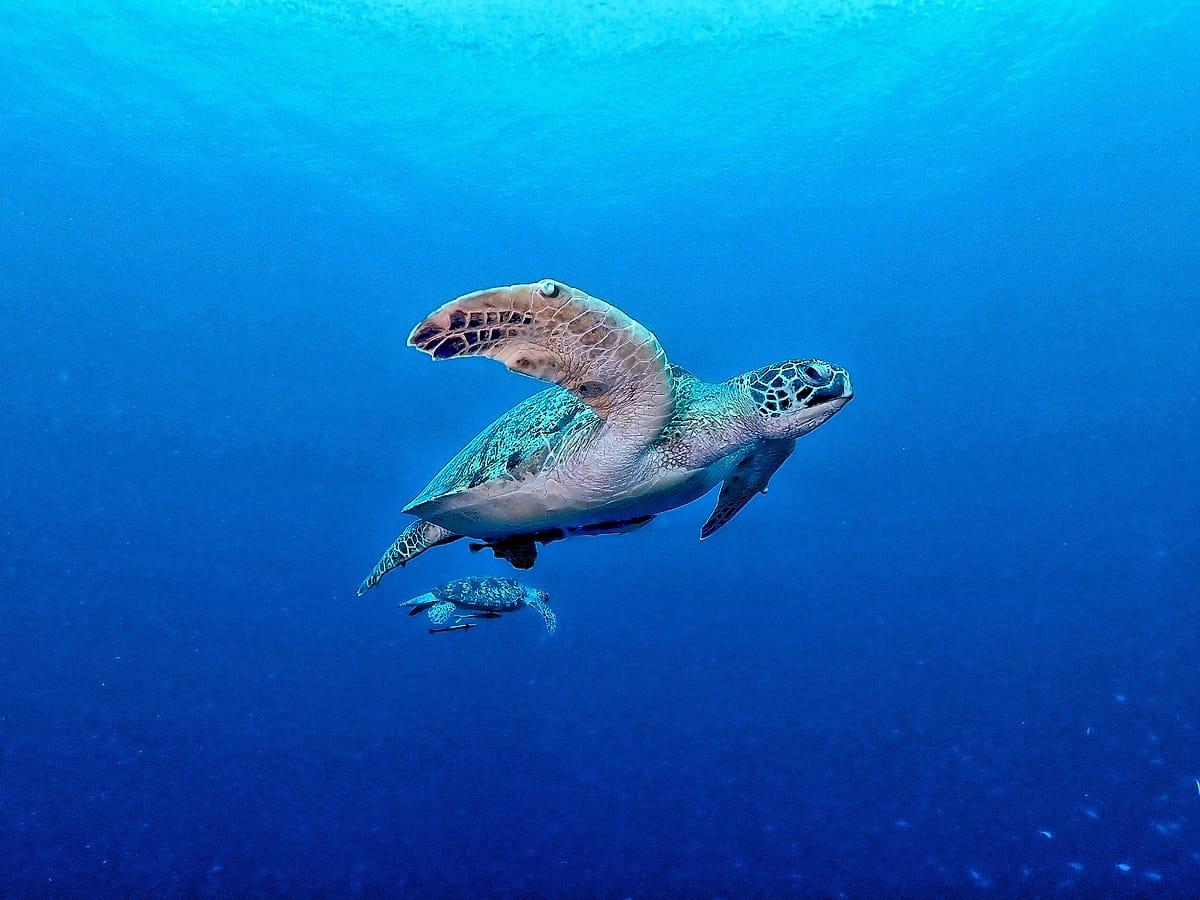
Yes. Green and hawksbill turtles live on the reefs around the Gilis all year round, and on most dives you have a very good chance of meeting at least one. Turtle Heaven off Gili Meno is famous for its big, relaxed resident turtles.
Is it a good time to learn to dive?
Every month is a good month to learn. Our courses start with a pool session, and we choose calm, shallow sites for training dives. If you have limited time, try PADI Discover Scuba Diving. If you want a licence for life, the PADI Open Water course takes 3 days. Not sure which one? Read PADI Open Water vs Discover Scuba, which one?
Tips for planning your dive trip
- Book ahead in July, August and around Christmas and New Year.
- A 3 mm wetsuit or shorty is plenty. The water is warm, but on several dives a day you will be glad of one. Wetsuits and full equipment are included in our dives.
- Plan your flight home. Wait at least 12 to 18 hours after your last dive before flying.
- Use reef-safe sunscreen and never touch the coral or turtles.
- Morning dives often have the calmest sea and the best light.
Frequently asked questions
What is the best month to dive in Gili Trawangan?
For clear water and calm seas, any month from May to September. For good conditions with fewer people, April and October.
Can you dive in the rainy season?
Yes. Dive trips run all year. Expect some showers and a little less visibility after heavy rain, but warm water and quieter dive sites.
What is the water temperature?
About 27–30 °C all year, so a thin wetsuit is enough.
When can I see manta rays?
Mantas are occasional visitors and never guaranteed. Divers most often report them in the wet season, roughly November to March.
Ready to plan your dives?
Whatever the month, the reefs of Gili Trawangan, Gili Meno and Gili Air are waiting. Check our daily fun dives, see all prices on Plan & Pricing, or book your dive and tell us your dates. We will help you choose the best days.
See you underwater!